
How to Move Without an Elevator: Tricks for Walk-Up Apartments
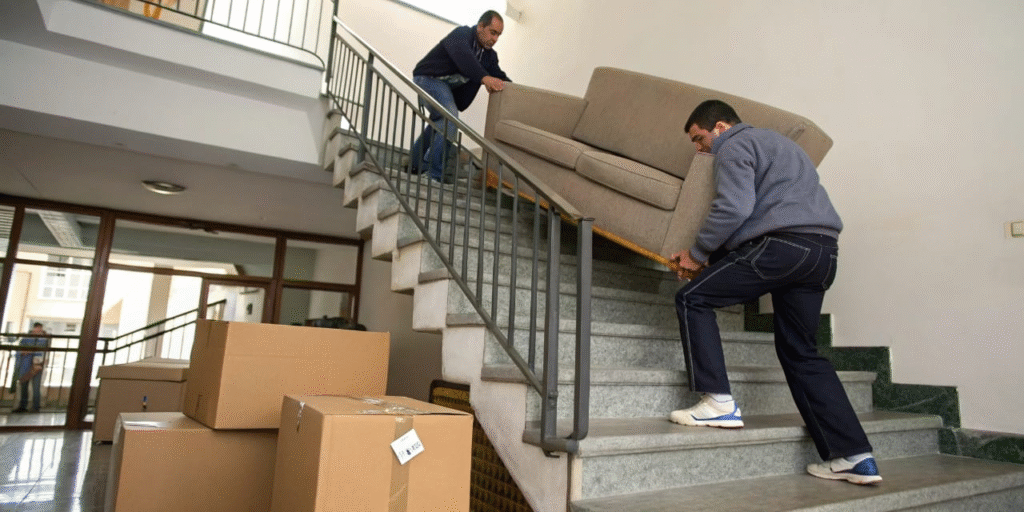
Moving day is challenging enough — but when you’re relocating into a building with no elevator, the task becomes even more demanding. Whether it’s a charming pre-war walk-up or a budget-friendly top-floor apartment, hauling your belongings up narrow staircases and tight landings requires extra strategy. If you’re facing this kind of move, you’re not alone. Every year, thousands of renters across the country tackle stairs-only apartments — often with the help of seasoned professionals like Long Distance Movers USA who specialize in moves without elevator access.
Here’s your practical guide full of moving tips for walk-up apartments, designed to help you stay safe, efficient, and stress-free.
1. Start with a Stairs-Only Moving Plan
Moving into an apartment with no elevator isn’t just about muscle — it’s about planning. Assess the number of flights, the layout of the stairwell, and any access restrictions such as narrow doorways, tight corners, or steep inclines.
To plan ahead:
- Schedule your move during off-peak hours to avoid crowded stairs
- Reserve loading zones or parking nearby to minimize carry distance
- Alert your building manager in case there are rules about move-in hours or stair use
Having a solid plan in place before the first box leaves the truck is half the battle.
2. Pack Light and Smart
When stairs are involved, heavier loads become much more difficult to manage. Instead of large, overloaded boxes, aim for smaller, stackable ones that are easier to grip and carry up multiple flights.
Packing tips for walk-up apartments:
- Keep each box under 40 pounds
- Use durable boxes with handles or reinforced sides
- Pack by category and clearly label contents by room
- Use rolling suitcases for heavy items like books
Efficient packing not only protects your back but also speeds up the entire move.
3. Use the Right Tools and Gear
Even in a stairs-only apartment, the right equipment can save you effort and injury. Invest in or rent gear that makes stair carries safer and more stable.
Essential equipment includes:
- Stair-climbing dollies or hand trucks with large wheels
- Lifting straps (shoulder or forearm style) for team lifts
- Furniture sliders to help maneuver pieces before stair carries
- Work gloves with grip to protect your hands
You’ll move faster — and smarter — with the right tools by your side.
4. Disassemble Furniture Ahead of Time
Before you try to wedge a couch up three flights of stairs, make it easier on yourself by breaking down large items whenever possible.
- Remove table legs, couch feet, and mattress frames
- Take apart bookshelves, bed frames, and dressers
- Tape screws and hardware to each item or store them in labeled bags
Smaller, disassembled pieces are easier to maneuver in tight stairwells, reducing the risk of scuffing walls or getting stuck mid-flight.
5. Use a Buddy System for Heavy Items
No matter how strong you are, moving heavy furniture upstairs safely is not a solo job. Recruit a few trusted friends or hire experienced movers who know how to handle tricky staircases with teamwork and caution.
Team moving tips:
- Communicate before and during each move
- Lift with your legs, not your back
- Take breaks between trips to avoid burnout
- Use spotters to guide large pieces around tight corners
Remember, safety always comes first — and a two-person carry is usually better than a rushed one-man struggle.
6. Protect Your Walls and Floors
Walk-up apartments often come with tight stairwells and old finishes. The last thing you want is to damage your new place on move-in day.
Protective gear you may need:
- Moving blankets or cardboard for railing and wall padding
- Floor runners or mats to catch dirt and prevent scratches
- Corner guards for high-traffic stairwell turns
Not only will this reduce the risk of charges from your landlord, but it’ll also give you peace of mind throughout the move.
7. Stay Hydrated and Take Breaks
It might sound simple, but don’t underestimate the physical strain of a walk-up move. Climbing stairs over and over with weight in tow is exhausting — especially in hot weather.
Tips to stay sharp:
- Keep cold water and snacks on hand
- Take short breaks between stair runs
- Dress in breathable, non-restrictive clothing
- Stretch before and after moving
A little self-care goes a long way in preventing fatigue and injuries.
8. Consider Hiring Professionals
Moving without an elevator is hard — plain and simple. If the stairs are steep, the furniture is large, or you’re short on help, hiring professional movers is a smart investment. Teams like Long Distance Movers USA are trained in navigating walk-up buildings efficiently and safely.
They come with:
- The right equipment
- Trained teams for heavy lifting
- Insurance coverage in case of damage
- Experience handling stairs-only logistics
When your new home doesn’t come with an elevator, having pros on your side can make all the difference.
Final Thoughts
Moving into a walk-up apartment doesn’t have to be a nightmare. With smart planning, proper gear, and a little extra patience, you can make the process smooth and safe. Remember to pack light, disassemble what you can, and protect your space — and your body — as you go.
And if it’s just too much to handle alone, consider teaming up with experts like Long Distance Movers USA, who specialize in tough moves just like yours. Because sometimes, the best move is letting someone else do the heavy lifting — one stair at a time.