
Signs Your Car Needs Professional Brake Service
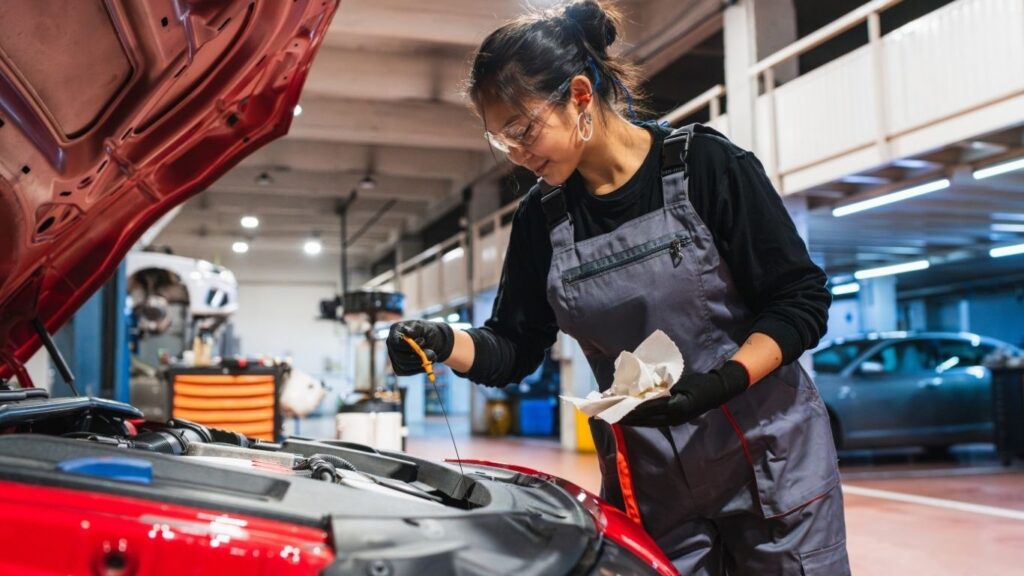
Your vehicle’s braking system is one of its most important safety features. Every time you press the brake pedal, multiple components work together to slow down and stop your vehicle safely. Over time, these parts naturally wear out due to regular driving conditions, making routine inspections and timely repairs essential. Ignoring early warning signs can lead to reduced braking performance, expensive repairs, and unsafe driving conditions. At Express Auto Service, experienced technicians provide professional brake inspections and repair services to help keep your vehicle operating safely and reliably.
Why Brake Maintenance Matters
The braking system consists of several components, including brake pads, rotors, calipers, brake fluid, brake lines, and other hardware. Each part plays an important role in ensuring your vehicle stops smoothly and efficiently.
As these components wear over time, your vehicle may begin showing warning signs that should never be ignored. Addressing brake problems early often prevents additional damage and helps maintain safe driving performance.
Squealing or Screeching Noises
One of the most common signs that your vehicle needs professional brake service is a high-pitched squealing or screeching sound when applying the brakes.
Many brake pads include built-in wear indicators designed to produce this noise once the friction material has become thin. This warning gives drivers time to replace the brake pads before they wear down completely.
Ignoring the sound can allow the brake pads to wear into the rotors, resulting in more expensive repairs.
Grinding Sounds While Braking
Grinding noises are usually more serious than squealing.
This sound often indicates that the brake pad material has worn away completely, allowing the metal backing plate to contact the brake rotor.
Metal-on-metal contact can quickly damage the rotor surface, reduce stopping performance, and increase repair costs. If you hear grinding while braking, your vehicle should be inspected as soon as possible.
Soft or Spongy Brake Pedal
Your brake pedal should feel firm and responsive when pressed.
If the pedal feels soft, spongy, or sinks toward the floor, it may indicate:
- Air in the brake lines
- Worn brake components
- Brake fluid contamination
- Hydraulic system problems
- Brake fluid leaks
Because braking performance can be significantly affected, this symptom should always be evaluated by a qualified technician.
Vehicle Pulls to One Side
If your vehicle pulls left or right while braking, the braking force may not be evenly distributed between the wheels.
Possible causes include:
- Sticking brake calipers
- Uneven brake pad wear
- Brake fluid issues
- Suspension concerns
Driving with uneven braking can reduce vehicle control and increase tire wear, making professional diagnosis important.
Vibrations During Braking
If you feel vibration or pulsation through the brake pedal or steering wheel while slowing down, warped brake rotors may be the cause.
Rotors experience extreme heat during braking. Over time, repeated heating and cooling cycles may create uneven surfaces that affect braking smoothness.
Brake vibrations should be inspected promptly to restore proper stopping performance.
Longer Stopping Distance
If your vehicle requires more distance to stop than it previously did, your braking system may no longer be operating efficiently.
Several factors can contribute to increased stopping distance, including:
- Worn brake pads
- Damaged rotors
- Brake fluid problems
- Hydraulic system issues
Reduced stopping power increases accident risk, especially during emergency braking situations.
Brake Warning Light
Modern vehicles use dashboard warning lights to alert drivers when problems are detected.
If your brake warning light or ABS warning light remains illuminated after starting the vehicle, it may indicate an issue requiring inspection.
Although warning lights do not always identify the exact problem, they should never be ignored because they often signal reduced braking performance or a developing safety concern.
Burning Smell After Braking
A sharp burning odor after repeated braking may indicate overheated brake components.
Excessive heat can reduce braking effectiveness and accelerate wear on pads and rotors.
If you notice a burning smell, allow the vehicle to cool safely and arrange for a professional inspection before continuing normal driving.
Low Brake Fluid
Brake fluid transfers hydraulic pressure throughout the braking system.
Over time, brake fluid may become contaminated or gradually decrease due to component wear or leaks.
Low brake fluid can reduce braking performance and should always be investigated rather than simply topped off without identifying the underlying cause.
Regular brake inspections help ensure proper fluid condition and system operation.
Uneven Brake Pad Wear
Brake pads naturally wear with use, but they should generally wear evenly.
Uneven wear may indicate:
- Caliper problems
- Improper hardware operation
- Brake system imbalance
- Alignment-related concerns
Replacing brake pads without correcting the underlying issue may result in premature wear of the new components.
Routine Brake Inspections Prevent Bigger Repairs
Many brake problems develop gradually before noticeable symptoms appear.
Professional brake inspections allow technicians to evaluate:
- Brake pad thickness
- Rotor condition
- Brake fluid quality
- Caliper operation
- Brake hoses
- Hardware condition
- Hydraulic system performance
Early detection often allows smaller repairs before major components become damaged.
Safe Driving Starts With Reliable Brakes
Your brakes protect not only your vehicle but also your passengers and everyone sharing the road.
Maintaining the braking system improves:
- Driver confidence
- Vehicle control
- Emergency stopping ability
- Overall road safety
Regular maintenance also helps extend the lifespan of expensive brake components while reducing long-term repair costs.
Conclusion
Your vehicle will often provide clear warning signs before serious brake failure occurs. Squealing noises, grinding sounds, vibrations, pulling during braking, warning lights, soft brake pedals, and longer stopping distances all indicate that your braking system deserves immediate attention. Addressing these symptoms early helps prevent larger repairs while ensuring safe and dependable driving. When you notice any brake-related warning signs, trust the experienced technicians at Express Auto Service for professional brake inspections and repair services that help keep your vehicle performing safely on every journey.
FAQs
How do I know if my brake pads need replacing?
Common signs include squealing noises, grinding sounds, reduced braking performance, or a brake inspection showing worn pad thickness.
Is it safe to drive with squeaky brakes?
Squeaky brakes often indicate worn brake pads. While the vehicle may still stop, it is best to have the brakes inspected promptly to prevent further damage.
Why does my steering wheel shake when braking?
Steering wheel vibration during braking is commonly caused by uneven or warped brake rotors that require inspection or replacement.
How often should brakes be inspected?
Brake inspections are recommended during routine vehicle maintenance or whenever you notice unusual noises, vibrations, warning lights, or changes in braking performance.
What happens if brake problems are ignored?
Ignoring brake issues can lead to damaged rotors, reduced stopping power, more expensive repairs, and increased safety risks while driving.