
How Professional Auto Repair Helps Keep Your Vehicle Running Smoothly
Understanding the Importance of Professional Auto Repair
A vehicle depends on multiple systems working together to provide safe, reliable, and comfortable transportation. The engine, transmission, brakes, suspension, cooling system, and electrical components must all function properly for a car to perform efficiently. Over time, regular use, changing weather conditions, and normal wear can affect these systems. Professional Auto Repair in McKinney, TX helps identify developing problems before they become expensive repairs. Routine inspections also allow drivers to understand their vehicles’ condition and make informed decisions about necessary services.
Preventive Maintenance for Better Vehicle Performance
Preventive maintenance is one of the most effective ways to keep a vehicle running smoothly. Instead of waiting until a problem causes a breakdown, drivers can schedule regular inspections and servicing to maintain important components. These services help reduce unexpected mechanical failures and support consistent performance.
Regular Oil and Filter Changes
Engine oil lubricates moving parts, reduces friction, and helps control heat inside the engine. As oil becomes contaminated or loses its effectiveness, it may provide less protection to internal components. Replacing engine oil and filters according to the manufacturer’s recommendations helps maintain proper lubrication and reduce unnecessary engine wear.
Checking Essential Fluids
Vehicles require several fluids to operate correctly, including coolant, brake fluid, transmission fluid, and power steering fluid in applicable systems. Low fluid levels or contaminated fluids may contribute to overheating, shifting difficulties, braking concerns, or steering problems. Professional technicians can inspect fluid conditions, identify leaks, and recommend appropriate maintenance.
Identifying Mechanical Problems Before They Become Serious
Small vehicle problems can gradually develop into major mechanical failures when they remain unaddressed. Unusual noises, vibrations, warning lights, and changes in driving performance often indicate that something needs attention. Professional inspections help identify the source of these symptoms and determine the most suitable repair approach.
Recognizing Warning Signs
Drivers should pay attention to grinding brakes, knocking sounds, fluid leaks, engine hesitation, and difficulty starting the vehicle. Changes in fuel consumption or unusual exhaust smoke may also indicate an underlying issue. Although some symptoms appear minor initially, ignoring them can increase repair costs and affect driving safety.
Using Professional Diagnostic Equipment
Modern vehicles contain electronic control systems that monitor engine performance, emissions, and other important functions. Diagnostic equipment allows technicians to retrieve fault codes and examine system information. However, codes alone do not always identify the exact cause of a problem. Experienced professionals combine diagnostic results with physical inspections and testing to determine the correct repair.
Maintaining Brake and Suspension Systems
Brakes and suspension components play essential roles in vehicle control and passenger safety. Regular inspections help ensure these systems remain in suitable working condition, particularly for vehicles used for daily commuting, family transportation, or frequent highway driving.
Keeping the Braking System Reliable
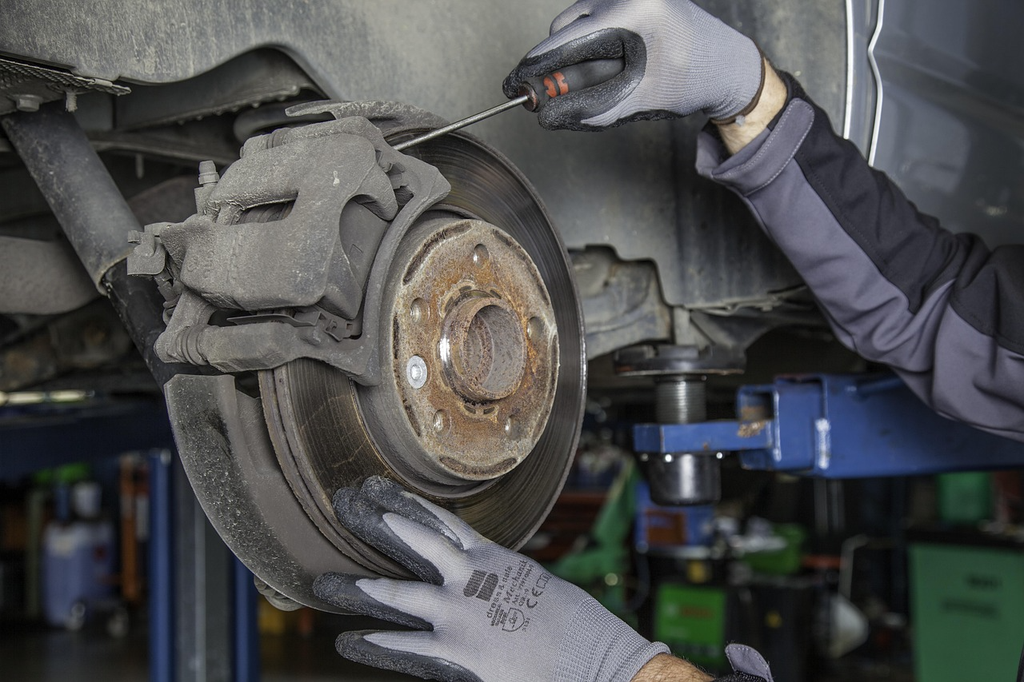
Brake pads, rotors, calipers, and hydraulic components experience wear through normal use. Warning signs may include squealing, grinding, vibration while braking, or a brake pedal that feels unusually soft. Technicians can inspect these components, measure wear, check fluid condition, and replace damaged parts when necessary. Prompt brake maintenance helps maintain stopping performance and reduces the risk of further damage.
Inspecting Suspension and Steering Components
Suspension systems help absorb road impacts and maintain tire contact with the road. Worn shocks, struts, bushings, or steering components may cause uneven tire wear, excessive bouncing, or reduced handling stability. Regular inspections can identify worn parts and help restore a smoother, more controlled driving experience.
Improving Fuel Efficiency Through Proper Maintenance
Fuel efficiency depends on several factors, including driving habits, engine condition, tire pressure, and the performance of different vehicle systems. Proper maintenance helps reduce unnecessary fuel consumption while supporting dependable operation.
Maintaining Tires and Wheel Alignment
Underinflated tires increase rolling resistance, which may cause the engine to use more fuel. Incorrect wheel alignment can also contribute to uneven tire wear and poor handling. Checking tire pressure regularly, rotating tires according to recommended intervals, and correcting alignment problems can help improve efficiency and extend tire life.
Keeping the Engine in Good Condition
Dirty air filters, worn spark plugs, faulty sensors, and other engine-related issues can affect combustion and performance. Technicians can inspect relevant components and recommend servicing based on the vehicle’s condition. Addressing these concerns helps the engine operate more efficiently and may prevent additional mechanical complications.
Protecting Your Vehicle’s Long-Term Value
Consistent maintenance does more than improve daily performance. It can also help preserve the vehicle’s condition and support its resale value. Buyers often appreciate vehicles with documented service histories because these records provide evidence of responsible ownership.
Maintaining Detailed Service Records
Keeping receipts and maintenance records makes it easier to track oil changes, brake inspections, tire replacements, and major repairs. These documents help technicians understand previous work and identify upcoming service requirements. They can also provide useful information when selling or trading in the vehicle.
Following Manufacturer Recommendations
Every vehicle has specific maintenance requirements based on its design, mileage, and operating conditions. Following the recommended service schedule helps ensure important components receive attention at appropriate intervals. Drivers who frequently travel in heavy traffic, carry heavy loads, or drive in extreme temperatures may need additional inspections depending on manufacturer guidance.
Choosing Professional Automotive Repair Services
Selecting a qualified repair provider is an important part of vehicle ownership. Drivers should look for technicians who communicate clearly, explain diagnostic findings, and provide written estimates before beginning significant repairs. A dependable service provider should also discuss available repair options and explain why particular services are necessary.
Transparency helps drivers make decisions according to their vehicle’s condition and budget. Asking questions about replacement parts, labor costs, warranties, and expected completion times can prevent misunderstandings. Regular communication also helps build a long-term relationship with a repair professional who understands the vehicle’s service history.
Conclusion
Keeping a vehicle in good condition requires consistent maintenance, timely inspections, and professional attention when mechanical problems appear. Regular fluid changes, brake inspections, tire care, engine diagnostics, and preventive servicing can improve reliability, support fuel efficiency, and reduce the likelihood of unexpected breakdowns. Drivers who address warning signs early can often avoid more extensive repairs and enjoy greater confidence on the road. For dependable vehicle care and practical maintenance guidance, choosing Auto Repair in McKinney, TX and consulting Chandler Allen Automotive can help drivers explore appropriate solutions for maintaining vehicle performance and long-term reliability.