
The Complete Guide to Interstate Car Shipping: What Every Vehicle Owner Needs to Know
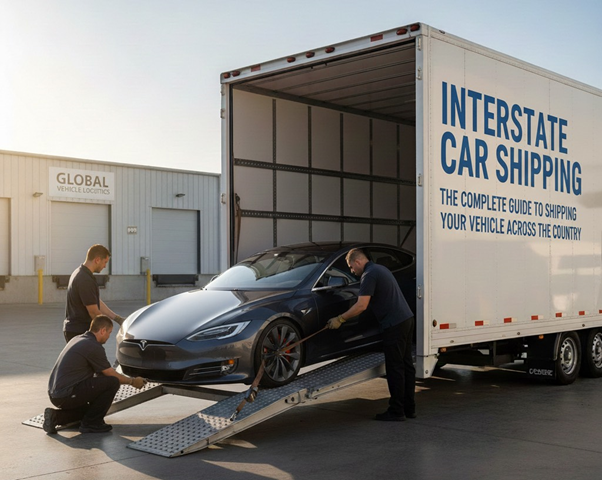
Complete guide to shipping your car across state lines. Learn about costs, timelines, choosing carriers & avoiding scams. Expert tips from auto transport pros.
Moving to a new state? Bought a car from across the country? Planning a snowbird migration to warmer climates? If you’ve ever needed to transport a vehicle from one state to another, you know the stress and uncertainty that comes with it. How much will it cost? Will my car arrive safely? How do I choose a trustworthy carrier?
Interstate car shipping has become increasingly common in America. With remote work enabling people to relocate freely, online car sales booming, and military families constantly moving, more than 4 million vehicles are shipped across state lines annually. Yet despite its popularity, many vehicle owners find the process confusing and intimidating.
This comprehensive guide cuts through the confusion. Whether you’re shipping a sedan, SUV, truck, or even a classic car, you’ll learn everything you need to know about interstate car shipping—from understanding costs and choosing reliable carriers to preparing your vehicle and avoiding common scams. Let’s ensure your vehicle arrives safely at its destination without breaking your budget or your peace of mind.
Understanding Interstate Car Shipping
What is Auto Transport?
Auto transport, also known as car shipping or vehicle transport, is the professional service of moving vehicles from one location to another using specialized car carriers. Unlike driving the vehicle yourself, which adds mileage, wear and tear, and requires significant time, professional auto transport delivers your vehicle safely while preserving its condition.
The process involves licensed carriers who load your vehicle onto either an open or enclosed trailer and transport it along established routes to your destination. These carriers are regulated by the Federal Motor Carrier Safety Administration (FMCSA) and must maintain specific insurance coverage to protect your vehicle during transit.
How the Car Shipping Process Works
The interstate car shipping process typically follows these steps:
- Request quotes: Contact multiple car shipping companies to compare prices and services
- Book your shipment: Select a carrier and schedule pickup dates
- Vehicle inspection: Document your vehicle’s condition before loading
- Loading and transit: Your vehicle is secured on the carrier and transported
- Tracking: Monitor your vehicle’s journey in real-time
- Delivery and inspection: Receive your vehicle and verify its condition
Types of Car Shipping Services
Open Transport
Open transport is the most common and cost-effective method. Your vehicle is loaded onto an open-air carrier alongside other vehicles. While exposed to weather and road elements, open transport is perfectly safe for most standard vehicles. Think of it like seeing car carriers on the highway—that’s open transport. It accounts for about 80% of all vehicle shipments and costs 30-50% less than enclosed transport.
Enclosed Transport
Enclosed car transport provides maximum protection by shipping your vehicle in a fully enclosed trailer. This method shields your car from weather, road debris, and prying eyes. It’s ideal for luxury vehicles, classic cars, exotic sports cars, or any high-value vehicle where protection justifies the premium cost. While more expensive, enclosed transport offers peace of mind for valuable automobiles.
Door-to-Door vs Terminal-to-Terminal
Door-to-door service means the carrier picks up your vehicle from your specified address and delivers it to your destination address. This is the most convenient option and what most customers choose.
Terminal-to-terminal service requires you to drop off and pick up your vehicle at designated terminals. While this can be slightly cheaper, the inconvenience and potential storage fees usually make door-to-door service the better value.
Who Uses Interstate Car Shipping Services?
Interstate car shipping serves diverse customers:
- Relocating families: Moving for jobs, retirement, or lifestyle changes
- Military personnel: PCS (Permanent Change of Station) moves
- Online car buyers: Purchasing vehicles from out-of-state dealers or private sellers
- Snowbirds: Seasonal residents transporting vehicles to winter/summer homes
- College students: Moving to/from school across state lines
- Car collectors: Transporting classic, exotic, or specialty vehicles
- Dealerships: Moving inventory between locations
Interstate Car Shipping Costs: What to Expect
Understanding car shipping costs helps you budget accurately and identify suspiciously low or unreasonably high quotes. Interstate car shipping prices vary significantly based on multiple factors, but knowing the typical ranges helps you make informed decisions.
Average Cost Breakdown by Distance
Short Trips (Under 300 miles): $300-$500
For nearby states or short-distance moves, expect to pay approximately $1.50-$2.00 per mile. While the per-mile cost is higher, the total expense remains reasonable. For example, shipping a car 200 miles might cost around $400. These short hauls often have less competition, which can drive prices up slightly.
Medium Distance (300-1,000 miles): $600-$1,000
This range covers many common interstate moves, such as shipping from Texas to Colorado or from New York to Georgia. The per-mile cost typically drops to $0.80-$1.00 per mile as distance increases. A 600-mile shipment averaging $0.90 per mile would cost approximately $540, though actual quotes depend on specific routes and demand.
Long Distance (1,000-2,500 miles): $900-$1,400
Coast-to-coast shipments fall into this category, with per-mile costs dropping to $0.50-$0.70 per mile. Popular routes like California to Florida or New York to Texas often see competitive pricing due to high carrier availability. Expect to pay around $1,100-$1,300 for these cross-country hauls.
Cross-Country (Over 2,500 miles): $1,200-$1,800
The longest hauls, such as Seattle to Miami or Los Angeles to Maine, benefit from the lowest per-mile rates ($0.40-$0.60 per mile) but naturally have higher total costs. These shipments typically take 7-14 days and may require coordination between multiple carriers. Check specialized cross country car shipping service.
Factors Affecting Car Shipping Prices
1. Distance and Route
Distance is the primary cost factor, but route popularity matters equally. Major highways like I-95, I-10, and I-80 see heavy carrier traffic, creating competition that lowers prices. Conversely, rural routes or less-traveled paths may cost 10-25% more due to limited carrier availability. Shipping between major metropolitan areas almost always costs less than remote-to-remote routes.
2. Vehicle Size and Weight
Larger, heavier vehicles cost more to ship because they take up more space on the carrier and consume more fuel. A compact sedan might cost $900 for a 1,500-mile trip, while an SUV or full-size truck could cost $1,100-$1,300 for the same distance. Oversized vehicles like large RVs or commercial trucks require special carriers and can cost significantly more.
3. Transport Type (Open vs Enclosed)
Open transport is the standard, cost-effective option. Enclosed auto transport sometimes referred to as luxury car transport costs 30-50% more but provides superior protection. For a $1,000 open transport shipment, expect to pay $1,300-$1,500 for enclosed service. The premium is worthwhile for luxury, classic, or high-value vehicles where protection justifies the cost.
4. Seasonal Demand
Car shipping experiences seasonal price fluctuations. Summer months (May-September) see peak demand from relocating families and students, potentially increasing prices by 10-20%. Winter months, particularly in northern states, can see premium charges for challenging weather conditions. Snowbird season (October-November and March-April) drives up prices on popular routes like New York to Florida.
5. Vehicle Condition
Running, drivable vehicles cost less to ship than inoperable ones. Non-running vehicles require special equipment like winches to load and unload, typically adding $150-$300 to your shipping cost. If your vehicle doesn’t start, shift, brake, or steer properly, inform the carrier upfront to avoid last-minute charges.
6. Pickup and Delivery Locations
Urban areas with good highway access offer the best rates. Rural locations, limited-access communities, or areas with narrow streets may require meeting the carrier at a nearby accessible location or incur additional fees. Island destinations like Hawaii or Alaska require special maritime shipping, significantly increasing costs.
How to Get Accurate Quotes
To receive accurate car shipping quotes:
- Provide complete vehicle details: Make, model, year, modifications
- Specify exact pickup/delivery locations: Full addresses, not just cities
- Mention if vehicle is inoperable: This significantly affects pricing
- State your preferred transport type: Open or enclosed
- Indicate your timeframe: Flexible dates often result in better prices
- Get quotes from multiple companies: Compare at least 3-5 carriers
When requesting quotes, use reputable platforms or contact established car shipping companies directly. Instant online quotes provide ballpark estimates, but speaking with a transport coordinator ensures accuracy and allows you to ask specific questions about your shipment.
Hidden Fees to Watch Out For
Reputable carriers provide transparent, all-inclusive quotes. However, some disreputable companies add unexpected charges. Be wary of:
- Bait-and-switch pricing: Lowball quote that increases after booking
- Fuel surcharges: Should be included in initial quote
- Terminal fees: Unexpected charges for storage or handling
- Last-minute pickup fees: Charges for flexible scheduling
- Insurance add-ons: Basic insurance should be included
Always get your quote in writing and ask about any potential additional charges before booking. Legitimate companies provide clear, detailed contracts with no surprise fees.
Choosing the Right Car Shipping Company
Selecting a reliable car shipping company is crucial for a stress-free experience. With thousands of auto transport companies operating in the US, distinguishing reputable carriers from fraudulent operators requires careful research and due diligence.
Red Flags to Avoid
1. Unusually Low Quotes
If a quote seems too good to be true, it probably is. Scammers lure customers with rock-bottom prices, then either disappear with deposits or add excessive fees later. If one company quotes $600 while three others quote $900-$1,000 for the same route, the lowball offer likely indicates trouble. Quality car shipping services have consistent operating costs—legitimate companies can’t undercut competitors by 40% without cutting corners.
2. No Valid Licensing or Insurance
Every legitimate car shipping company must have FMCSA (Federal Motor Carrier Safety Administration) registration and a USDOT number. Carriers should also maintain cargo insurance covering your vehicle during transport. If a company can’t provide these credentials immediately, walk away. You can verify any carrier’s status at the FMCSA website using their USDOT number.
3. Poor or No Online Reviews
In today’s digital age, established car shipping companies have extensive online presence and reviews. Check Google, Yelp, Better Business Bureau, and Transport Reviews. Be skeptical of companies with no reviews, exclusively 5-star reviews (likely fake), or patterns of complaints about damaged vehicles, late deliveries, or hidden fees. Look for companies with 4.5+ average ratings and hundreds of reviews.
4. Large Upfront Deposits
Reputable carriers typically require small deposits (10-25% of total cost) or no deposit until pickup. Companies demanding full payment upfront or deposits over 50% are high-risk. Scammers collect deposits, then vanish without providing services. Pay deposits with credit cards when possible—they offer better fraud protection than wire transfers or cash.
5. Pressure Tactics and Rushed Decisions
High-pressure sales tactics (‘This price expires in one hour!’ or ‘Book now or miss out!’) indicate unprofessional companies. Legitimate carriers give you time to review contracts, ask questions, and make informed decisions. If someone pushes for immediate payment or discourages comparing quotes, that’s a major red flag.
What to Look For in a Reputable Carrier
1. Valid FMCSA Registration and Insurance
Verify the company’s USDOT number and motor carrier (MC) number on the FMCSA website. Check their safety rating and violation history. Ensure they carry adequate cargo insurance—typically $100,000-$1,000,000 depending on the vehicle value. Ask for a certificate of insurance and verify it’s current.
2. Excellent Customer Reviews (4.5+ Stars)
Look for companies with strong reputations across multiple review platforms. AutoStar Transport Express, for example, maintains a 4.9-star rating across thousands of reviews, demonstrating consistent service quality. Read recent reviews to understand current performance, and pay attention to how companies respond to negative feedback—professional resolution of issues shows commitment to customer satisfaction.
3. Transparent, All-Inclusive Pricing
Trustworthy companies provide detailed quotes breaking down all costs. They clearly explain what’s included and what isn’t. There should be no surprise fees or last-minute charges. If a company can’t explain their pricing structure or evades questions about potential additional costs, choose another carrier.
4. Proven Experience (10+ Years)
Experience matters in the auto transport industry. Companies operating for 10+ years have proven their reliability and developed efficient systems. They’ve handled various scenarios—weather delays, mechanical issues, complex routes—and know how to solve problems. Established companies also have better carrier networks, often resulting in faster pickup times and more reliable service.
5. Professional Communication
From your first interaction, assess the company’s professionalism. Do they respond promptly to inquiries? Do they answer questions thoroughly? Are they patient with your concerns? Professional companies assign dedicated coordinators who guide you through the process, provide regular updates, and remain accessible throughout your shipment.
Essential Questions to Ask Before Booking
Before committing to a car shipping company, ask these critical questions:
- What is your USDOT and MC number? (Verify online)
- What insurance coverage do you provide? (Request certificate)
- Are you a broker or a carrier? (Brokers arrange transport; carriers physically move vehicles)
- What is included in the quoted price? (Confirm no hidden fees)
- What is your estimated pickup and delivery timeframe?
- Will I receive tracking information? (GPS tracking provides peace of mind)
- What is your cancellation policy?
- How do you handle vehicle damage claims?
- Can you provide references from recent customers?
Professional companies answer these questions confidently and provide documentation to support their claims. Evasive or vague responses indicate potential problems.
Conclusion: Ship Your Car with Confidence
Interstate car shipping doesn’t have to be stressful. By understanding the process, knowing what to expect in terms of costs, and carefully vetting car shipping companies, you can ensure your vehicle arrives safely at its destination without breaking your budget.
Remember these key takeaways:
- Get quotes from multiple reputable carriers and compare services, not just prices
- Verify FMCSA registration and insurance coverage for any company you consider
- Choose the transport type (open vs enclosed) based on your vehicle’s value and your budget
- Document your vehicle’s condition thoroughly before and after transport
- Be wary of suspiciously low quotes and high-pressure sales tactics
- Read customer reviews and check company track records before booking
Whether you’re relocating, buying a car online, or moving seasonally, professional car shipping provides convenience and peace of mind. With over 18 years of experience and thousands of satisfied customers, AutoStar Transport Express offers reliable, transparent, and affordable state to state car shipping services backed by a 4.9-star rating and a nationwide network of certified carriers.
Ready to ship your vehicle?
Get your free, no-obligation quote today and experience stress-free auto transport with transparent pricing, professional service, and guaranteed peace of mind. Your vehicle’s journey begins with a simple quote—let us handle the rest.