
The Environmental Impact of Shredding Concrete—And How to Minimize It
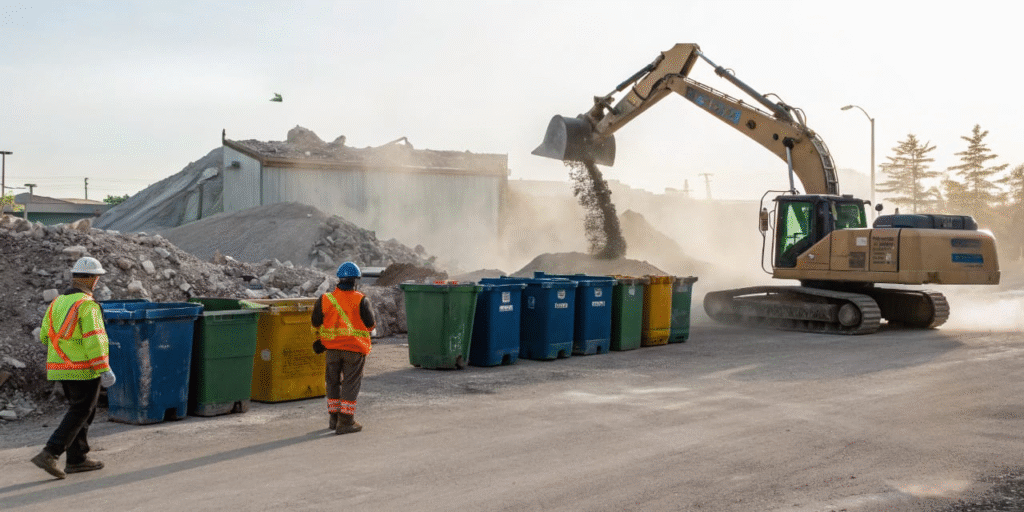
Concrete is the most widely used construction material in the world—but it’s also one of the biggest contributors to construction waste and CO₂ emissions. Every year, millions of tons of concrete debris end up in landfills, and the process of breaking it down can create significant dust, noise, and fuel consumption. Fortunately, modern concrete recycling equipment—like the Krokodile Mobile Compact Shredder is helping contractors address these environmental concerns while boosting jobsite efficiency.
If your business is in demolition, roadwork, or general contracting, it’s crucial to understand the environmental impact of concrete crushing—and how to minimize it through smarter tools, techniques, and planning.
1. Why Concrete Shredding Affects the Environment
Shredding or crushing concrete isn’t inherently “bad”—in fact, it’s far better than landfilling. But like any heavy-duty process, it comes with trade-offs. Key environmental impacts include:
- Dust emissions that pollute the air and harm operator health
- Noise pollution that affects urban and residential job sites
- High fuel consumption, especially in diesel-powered shredders
- Carbon emissions from transport and equipment idling
- Improper disposal of rebar or mixed debris
This is where the choice of equipment—and how it’s used—plays a pivotal role in shaping your environmental footprint.
2. How Concrete Recycling Equipment Reduces Waste
Modern shredders are designed not just to break material—but to reduce construction waste onsite in a sustainable way. Here’s how:
- On-site shredding eliminates the need for repeated hauling to landfills or recycling yards.
- Processed concrete can be reused as backfill, base course, or aggregate substitute, reducing demand for new raw materials.
- Many machines now include ferrous separation systems, allowing rebar and steel to be cleanly extracted and recycled.
Using advanced concrete recycling equipment drastically shortens the waste stream and helps companies comply with tightening environmental regulations.
3. Choosing the Right Equipment: Go Compact and Efficient
Not all shredders are equal in their eco-performance. To truly reduce impact, look for features such as:
- Low-emission engines
- Hydraulic or electric drive systems
- Variable speed control for efficiency
- Integrated dust suppression systems
- Compact, mobile design
The Krokodile Mobile Compact Shredder, for instance, offers high throughput while maintaining a small footprint and fuel-efficient performance. Its ability to process mixed materials—including rebar-laden concrete—on-site makes it an ideal solution for jobs in green construction equipment portfolios.
4. Minimize Dust and Noise Pollution
Dust and noise pollution from shredders are two of the most pressing concerns in populated or regulated zones. Fortunately, there are simple strategies to minimize both:
Dust Control Tips:
- Use integrated water misting systems or external hose connections
- Position equipment in low-wind areas when possible
- Wet material before shredding when feasible
Noise Reduction Tips:
- Opt for machines with noise-reduction enclosures or engine baffling
- Schedule operations during permitted hours
- Train operators on smooth feeding techniques to reduce spikes
Some shredders include real-time monitoring for sound and dust levels, which can be critical for staying compliant with jobsite regulations.
5. Sustainable Demolition Practices Start with Planning
Being environmentally responsible doesn’t start with the shredder—it starts at the project planning phase. Incorporating sustainable demolition practices can significantly lower your environmental impact. This includes:
- Pre-sorting material to avoid contamination
- Mapping haul routes to reduce travel emissions
- Using smaller machines like compact shredders to reduce fuel consumption
- Setting up on-site recycling zones to limit external processing
It’s not just about the tools—but how you integrate them into your workflow.
6. Disposal and Reuse: What Happens After the Crush?
Once concrete is shredded, where does it go? Here’s how to handle processed material in an eco-friendly way:
- Crushed concrete can be reused on-site for temporary access roads or trench backfilling.
- Screened fines can replace sand in some low-grade concrete mixes.
- Separated rebar can be sold as scrap or sent to steel recyclers.
- Remaining debris can be sorted for reuse or safe disposal.
This shift from disposal to eco-friendly concrete disposal through reuse aligns with broader goals in the green construction movement.
Final Thoughts
The environmental impact of shredding concrete can’t be ignored—but it can be managed and even reversed with the right approach. By using modern concrete recycling equipment, following sustainable demolition practices, and choosing compact, efficient machines like the Krokodile Mobile Compact Shredder, contractors can lead the way in responsible construction.
The next time you evaluate your shredding setup, think not just about power and throughput—but about how you can reduce construction waste onsite, protect surrounding communities, and contribute to a cleaner industry future.