
How Regular Auto Maintenance Keeps Your Vehicle Running Smoothly
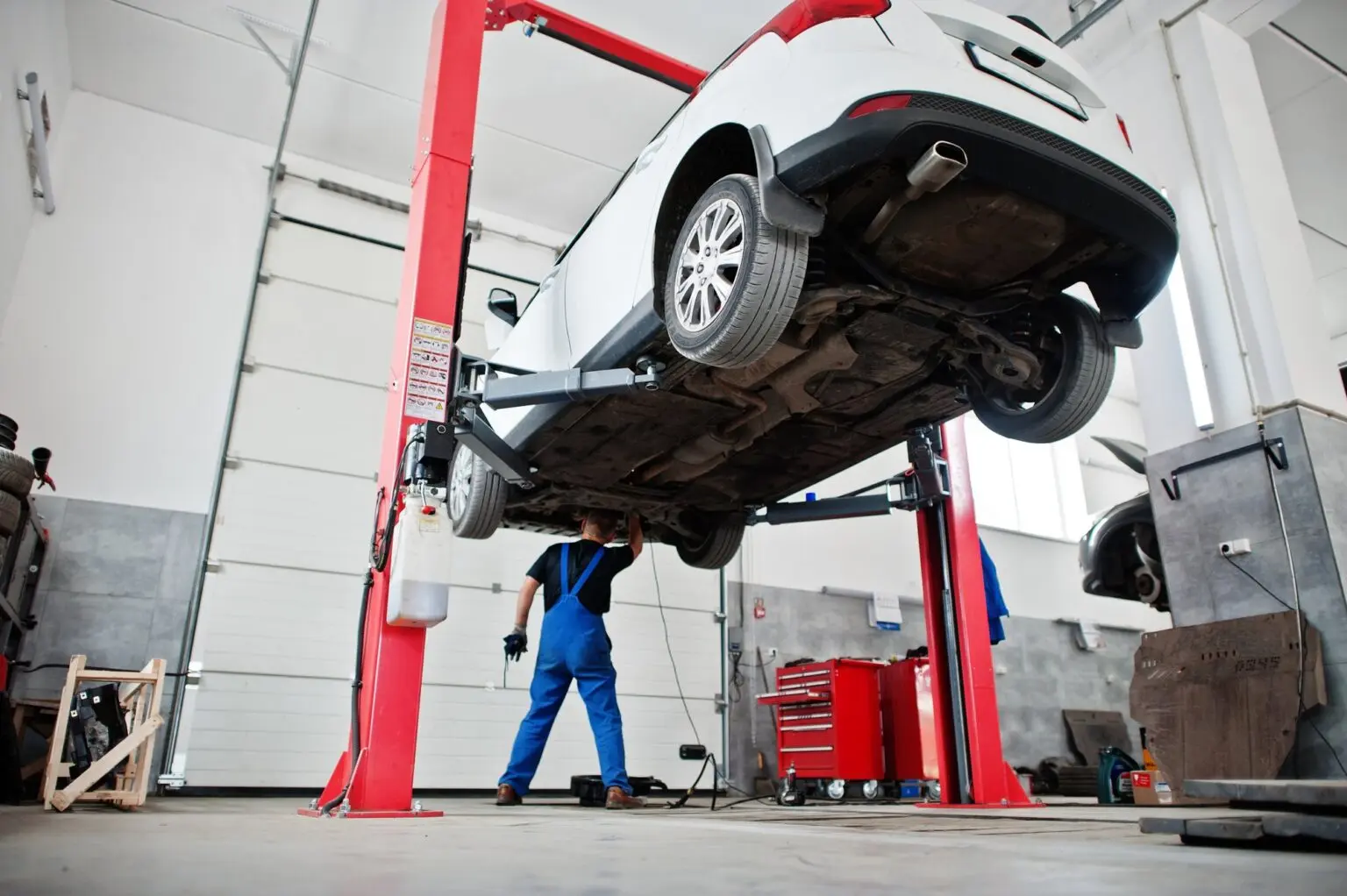
Regular auto maintenance is essential for keeping a vehicle reliable, safe, and efficient. Every car experiences gradual wear and tear through daily driving, changing weather conditions, road conditions, and regular use. Without proper care, small mechanical issues can develop into serious problems that affect performance and increase repair costs. Routine inspections and timely servicing help drivers identify potential concerns before they become expensive. Drivers searching for Auto repair near me can find professional assistance for checking engine oil, inspecting brakes, maintaining tires, and servicing other important components. Consistent maintenance plays a major role in extending a vehicle’s lifespan, improving fuel efficiency, and ensuring smoother journeys.
Understanding the Importance of Regular Auto Maintenance
Regular maintenance helps ensure that all major vehicle systems operate correctly. Cars contain many connected components that depend on proper lubrication, adjustment, and inspection. When one part begins to wear out, it can affect the performance of other systems.
Following a suitable maintenance schedule allows vehicle owners to address minor concerns before they create larger mechanical failures. Routine servicing also provides an opportunity for professional technicians to examine important components and recommend necessary repairs.
Another important benefit is improved driving safety. Well-maintained vehicles are generally more dependable because essential systems receive regular attention. Drivers can reduce unexpected breakdowns by following recommended service intervals and responding quickly to unusual noises, warning lights, or changes in vehicle performance.
Essential Maintenance Tasks Every Vehicle Needs
Different maintenance tasks contribute to overall vehicle performance. Although service requirements vary depending on the vehicle model, age, and driving conditions, several basic checks are important for almost every car.
Regular Engine Oil Changes
Engine oil reduces friction between moving engine components and helps control operating temperatures. Over time, oil becomes contaminated with dirt, dust, and other particles, reducing its ability to protect the engine.
Changing engine oil according to the manufacturer’s recommendations helps maintain proper lubrication and reduces unnecessary wear. Drivers should also check oil levels periodically to ensure that the engine has sufficient lubrication.
Using the correct oil type and replacing the oil filter when necessary can support better engine performance and long-term reliability.
Tire Inspection and Maintenance
Tires directly affect vehicle handling, braking, comfort, and fuel efficiency. Incorrect tire pressure can create uneven wear and make driving less predictable.
Checking tire pressure regularly helps maintain proper contact with the road. Drivers should also inspect tread depth and look for visible damage, cracks, or unusual wear patterns.
Tire rotation is another useful maintenance practice because it encourages more even wear across all four tires. Proper wheel alignment can also improve handling and prevent unnecessary tire replacement.
Brake System Inspection
The braking system is one of the most important safety features in any vehicle. Brake pads, rotors, fluid, and other components gradually experience wear through regular use.
Drivers should pay attention to warning signs such as squeaking sounds, grinding noises, vibrations, or a soft brake pedal. These symptoms may indicate that certain components require professional attention.
Regular brake inspections help identify worn parts and maintain reliable stopping performance. Ignoring brake problems can increase repair expenses and create dangerous driving conditions.
How Routine Inspections Improve Vehicle Performance
Vehicle inspections help identify developing mechanical issues that may not be immediately noticeable during everyday driving. Experienced technicians can examine different systems and determine whether components need cleaning, adjustment, replacement, or further testing.
Identifying Small Problems Early
Minor mechanical problems can become more serious when ignored. A small coolant leak, worn belt, damaged hose, or weak battery may eventually cause unexpected breakdowns.
Routine inspections make it easier to identify these concerns before they affect other vehicle systems. Early repairs are often simpler and less expensive than dealing with major mechanical failures.
Maintaining Engine Efficiency
A properly maintained engine generally operates more efficiently than one with neglected components. Dirty air filters, worn spark plugs, old engine oil, and fuel system problems can affect performance.
Replacing necessary filters, checking ignition components, and maintaining the cooling system can help an engine operate smoothly. These tasks also support consistent acceleration and dependable operation during daily travel.
The Connection Between Maintenance and Fuel Efficiency
Fuel efficiency is influenced by several factors, including driving habits, road conditions, vehicle weight, and mechanical condition. Regular maintenance can help prevent unnecessary fuel consumption caused by poorly maintained components.
For example, underinflated tires increase rolling resistance, requiring the engine to work harder. Similarly, clogged air filters and certain engine performance problems may reduce efficiency.
Keeping tires properly inflated, replacing worn components, and following recommended servicing schedules can help maintain reasonable fuel consumption. Drivers should also avoid unnecessary idling, aggressive acceleration, and excessive braking.
Although maintenance cannot eliminate every factor affecting fuel economy, it helps ensure that the vehicle operates under appropriate mechanical conditions.
Maintaining Important Vehicle Fluids
Vehicles depend on several fluids to perform different functions. These fluids help lubricate moving parts, transfer hydraulic pressure, regulate temperatures, and support essential mechanical operations.
Engine Coolant
Coolant helps regulate engine temperature and prevents overheating. Low coolant levels or damaged cooling system components can lead to serious engine problems.
Drivers should check coolant levels periodically and look for leaks around hoses, connections, and the radiator. Coolant should also be replaced according to the recommended maintenance schedule.
Transmission and Brake Fluids
Transmission fluid supports smooth gear changes and protects internal transmission components. Incorrect fluid levels or contaminated fluid can contribute to shifting problems and increased wear.
Brake fluid transfers pressure through the braking system. Because moisture can gradually affect its performance, periodic inspection and replacement are important.
Following the recommended fluid maintenance schedule helps protect these systems and supports dependable vehicle operation.
How Driving Habits Affect Vehicle Maintenance
Driving habits have a direct influence on how quickly vehicle components wear out. Frequent hard braking, rapid acceleration, speeding over rough roads, and carrying excessive weight can place additional stress on mechanical systems.
Allowing the engine to operate normally before demanding heavy performance, avoiding aggressive driving, and maintaining reasonable speeds can help reduce unnecessary wear.
Short trips can also affect maintenance requirements because the engine may not always reach its normal operating temperature. Drivers who frequently travel short distances should pay attention to their maintenance schedules.
Parking in a protected area when possible and keeping the vehicle clean can also help reduce damage caused by environmental conditions.
Benefits of Following a Maintenance Schedule
A maintenance schedule provides a clear approach to vehicle care. Instead of waiting for something to break, drivers can arrange inspections and servicing at appropriate intervals.
Regular servicing offers several advantages:
- Improved reliability: Routine checks help reduce unexpected mechanical problems.
- Better safety: Inspections help keep important systems in suitable working condition.
- Lower repair expenses: Early attention can prevent minor issues from becoming major failures.
- Longer vehicle lifespan: Proper care reduces unnecessary wear on important components.
Keeping maintenance records is another useful practice. Service receipts and inspection reports help owners understand which tasks have already been completed and when future servicing may be required.
Conclusion
Regular auto maintenance is one of the most effective ways to protect vehicle performance, improve safety, and avoid unnecessary repair expenses. Consistent oil changes, tire inspections, brake servicing, fluid checks, and professional evaluations help keep essential systems working properly. Drivers should never ignore unusual noises, dashboard warning lights, or changes in handling because these signs may indicate developing mechanical problems. Following a suitable maintenance schedule also supports long-term reliability and helps vehicles remain dependable throughout their lifespan. Whether searching for Auto repair near me or professional Auto repair Fayetteville services, choosing experienced technicians and prioritizing routine vehicle care can make a significant difference in maintaining smooth, safe, and comfortable driving.