
Mobile Crusher vs. Dumpster: Which Saves More Money on a Jobsite?
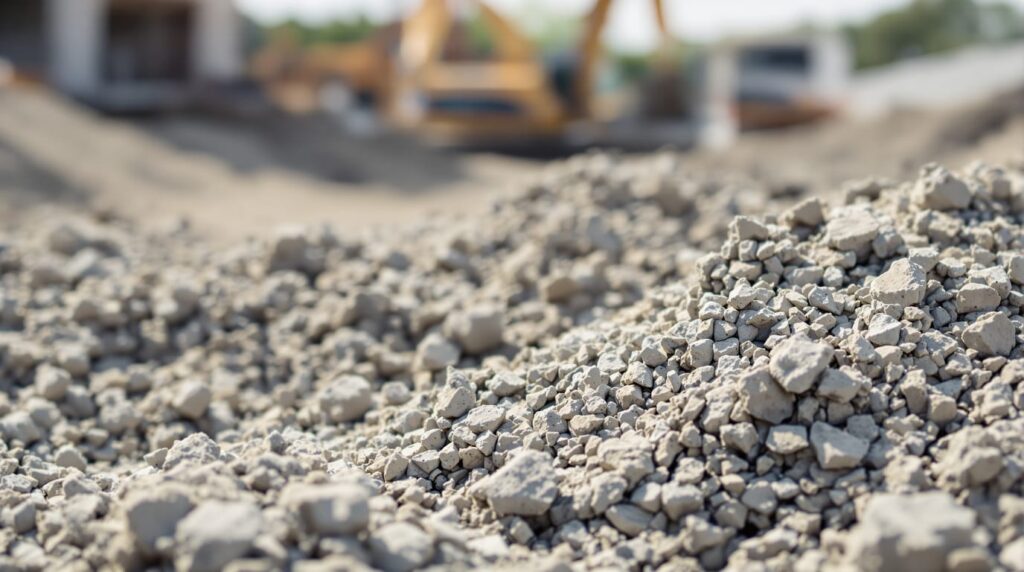
Every construction and demolition project generates waste — broken concrete, asphalt chunks, brick rubble, and mixed debris that needs to go somewhere. For most contractors, the default answer has always been the same: rent a dumpster, fill it up, and pay to have it hauled away. It feels routine, but routine doesn’t always mean cost-effective. Investing in compact mobile crushers for jobsite use is changing the way contractors think about waste — and the numbers make a compelling case for reconsidering the dumpster habit.
The True Cost of Renting a Dumpster
Dumpster rental looks straightforward on paper — a flat fee, a pickup date, and the problem disappears. But the real cost of dumpster-based waste removal runs much deeper than the rental invoice. On an active demolition or renovation site, a single dumpster fills fast. Multiple swaps per week, each carrying a delivery fee, a pickup fee, and a weight-based disposal charge, stack up quickly across a project timeline.
Then there is the labour cost — crew time spent sorting, loading, and managing waste instead of productive work. Add in the purchase of new aggregate or fill material to replace what was hauled away, and the total picture looks very different from that initial rental quote. For contractors running multiple projects simultaneously, these costs compound into a significant annual overhead that rarely gets scrutinised closely enough.
What On-Site Concrete Crushing Actually Saves
The on-site concrete crushing savings contractors report after switching from dumpsters are not marginal — they are structural. When a compact crusher processes demolition material directly on the jobsite, several cost lines shrink or disappear at once:
• Dumpster rental and swap fees are eliminated entirely
• Landfill tipping charges no longer apply to material that stays on-site
• Crushed concrete and asphalt become usable sub-base or fill — no new aggregate to purchase
• Fewer truck movements reduce fuel costs and project delays
Contractors who make the switch typically find that the crusher pays for itself within a year — sometimes significantly faster on high-volume demolition or recycling work. The machine does not just remove a cost; it replaces it with a revenue-generating or cost-offsetting asset.
Is a Mobile Crusher a Realistic Dumpster Alternative for Construction Waste?
The most common objection to switching is straightforward: a crusher costs more upfront than a dumpster rental. That is true. But framing it as a dumpster alternative for construction waste misses the bigger picture — a crusher is not a rental, it is a piece of productive equipment that earns across every project it touches.
A dumpster handles one function: removing waste. A mobile crusher handles waste removal and material production simultaneously. The crushed output — graded aggregate, recycled base material, processed fill — goes straight back into the project or gets stockpiled for the next one. On a medium-scale demolition job, the value of that recovered material alone can offset a substantial portion of the machine’s operating cost.
For contractors running regular demolition, renovation, or excavation work, the crusher wins the comparison on almost every project beyond a certain volume threshold. Below that threshold — very small, one-off jobs — a dumpster may still make sense. But for anyone doing consistent volume, the dumpster is the more expensive option over time.
How to Reduce Jobsite Hauling Costs With a Crusher
One of the most direct ways to reduce jobsite hauling costs with a crusher is to process material as it is generated rather than stockpiling it for removal. When demolition debris is crushed on the spot, it takes up less space, requires fewer truck loads to move, and in many cases never needs to leave the site at all.
The logistics improvement alone is significant. Fewer trucks on-site means less congestion, less ground damage, faster project flow, and lower fuel spend. On urban sites or projects with restricted access, the ability to process and reuse material in place is not just a cost advantage — it is often a practical necessity.
Compact tracked crushers are particularly effective here. Their small footprint lets them operate in tight spaces, and their mobility means they can follow the work as it moves across a site — processing material in place rather than waiting for a loader to gather and relocate it.
Understanding Compact Crusher Return on Investment for Contractors
Calculating compact crusher return on investment for contractors comes down to a straightforward comparison: what you currently spend on dumpsters, hauling, disposal, and aggregate purchases versus what those costs drop to after the crusher is on-site. Most contractors who run the numbers are surprised by how quickly the gap closes.
Beyond the direct cost savings, the ROI calculation also includes the value of recovered material. Crushed concrete processed into graded aggregate can replace purchased base material on the same project. Processed asphalt can be reused as fill or road base. Every ton of recovered material is a ton of aggregate that does not need to be sourced, delivered, and paid for.
Komplet America’s compact crushers are designed to make this ROI accessible to contractors of all sizes — not just large operations with fleets of equipment. From the entry-level K-JC 503 to the higher-capacity K-JC 805, there is a machine sized for the volume and budget of most contractors currently spending money on dumpsters they do not need.
Conclusion
The dumpster versus mobile crusher debate is not really a close call for contractors doing consistent demolition or recycling work. Dumpsters remove waste. Crushers eliminate the cost of that waste while producing something useful in return. The upfront investment is real, but so is the payback — in lower hauling bills, recovered aggregate, and a jobsite that runs leaner from the first day the machine arrives.
Ready to run the numbers on your own projects? Contact Komplet America today to request a quote and find out which compact crusher fits your volume, your material, and your budget.