
Should You Ship Your Car When Moving to University in Another Province
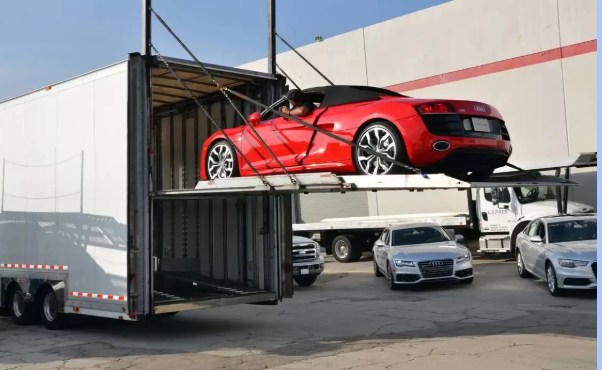
Every September, thousands of Canadian students move to a new city for school. For those coming from another province, the question of what to do with a vehicle is one of the more consequential decisions in an already expensive transition. Driving it adds mileage and time. Leaving it at home creates dependence. Shipping it is an option many students and families overlook simply because they have never explored it.
The decision is not one-size-fits-all. It depends on the distance, the city, the student’s situation, and how the costs stack up. What follows is a breakdown of how to think through it clearly.
When Shipping Makes Sense for Students
The strongest case for shipping is distance. A student moving from Halifax to Calgary, or from Victoria to Toronto, is looking at a multi-day drive across the country. That drive costs money in fuel and accommodation, puts several thousand kilometres on the vehicle, and uses up time that most students do not have in the week before classes begin.
It also makes sense when the student needs the car to arrive without delay. Driving yourself gives you a fixed arrival date. Shipping introduces a delivery window, but for students who have already secured housing and just need the vehicle to show up within a week of their own arrival, that window is usually manageable.
Families with two vehicles who want one at the destination and one remaining at home benefit from shipping as well. Rather than coordinating a second driver or a one-way rental to bring an extra vehicle home, the carrier handles the logistics entirely.
When It Might Not Be Worth It
Shipping a car to a major urban campus is worth questioning before committing. Cities like Toronto, Montreal, and Vancouver have transit systems built for daily use, and many universities in these cities sit inside dense neighbourhoods where parking is expensive, scarce, and sometimes prohibited for first-year students outright.
If the student is moving into a residence with no parking allocation, the vehicle will need a paid monthly spot nearby. In downtown Toronto or Vancouver, that alone can run several hundred dollars a month. Add insurance costs for a young driver and the financial case for having the car at school weakens considerably.
For students moving to mid-sized cities or campuses with more accessible parking — think Saskatoon, London, or Fredericton — the calculation shifts. A car becomes genuinely useful for weekend trips, part-time work, and managing day-to-day life in a city where transit is less comprehensive.
Cost Comparison: Shipping vs. Driving
The actual cost of driving a vehicle across Canada is higher than most people initially calculate. Fuel alone for a Vancouver to Toronto run can exceed $400 depending on the vehicle. Add three to four nights of accommodation, meals on the road, and the time cost of four to five days, and the total climbs quickly.
Professional auto transport on the same route typically costs more than the fuel estimate but less than the full all-in cost of driving. The closer you get to an honest accounting of what the drive actually costs — not just gas — the more competitive shipping becomes.
There is also the vehicle wear argument. A cross-country drive is not inherently harmful, but it does add mileage that affects resale value and may trigger maintenance items sooner. For a student driving a newer vehicle their family helped finance, minimizing unnecessary wear has real long-term value.
Timing the Shipment Around the Academic Calendar
Late August and early September represent one of the busiest periods for carrier networks in Canada. Student moves, end-of-summer relocations, and corporate transfers all compete for the same slots. Booking early matters more during this window than at most other times of year.
A general rule is to book at least two to three weeks ahead of the desired pickup date. For a September move, that means initiating the process in early to mid-August at the latest. Last-minute availability exists but becomes increasingly limited and can come with higher rates as the calendar fills.
The return trip in April or May follows a similar pattern. If the student is bringing the car home for the summer, that move should be booked well before the end of the academic term rather than scrambling during exam period. Car shipping across Canada on the most popular student routes books up faster than people expect during seasonal peaks.
Insurance and Registration Considerations
Moving a vehicle to another province for school raises a practical question about registration and insurance. Most provincial insurance regulations allow a student to maintain their home province registration and insurance for the duration of their studies, provided the vehicle is not being used as a primary residence vehicle in the new province long-term.
The specifics vary by province. Some insurers require notification when a vehicle is garaged in a different province for more than a set period. Others adjust premiums based on where the vehicle is primarily operated. Contact your insurance provider before the move to confirm coverage remains valid and to understand any notification requirements.
This matters for the shipping process as well. The carrier will ask for proof of valid insurance at pickup. Making sure your policy is current and covers the vehicle during the transit period avoids complications on pickup day.
Preparing the Vehicle for Transport
The preparation process for student vehicles is the same as for any shipment. Remove all personal belongings from the interior. Carriers are not responsible for items left inside the vehicle, and loose items can become a liability during loading and unloading.
Document the vehicle’s condition before handover with photos of all sides and any existing damage. Review the carrier’s condition report at pickup and confirm it accurately reflects the vehicle’s state before signing. This protects both parties if a question about damage arises at delivery.
Fuel should be kept to a quarter tank or less. Disable any dashcam systems that record continuously to prevent battery drain over a multi-day transit.
Making the Decision
The student vehicle question comes down to three factors: how far, how useful, and how much. A long-distance move to a city where the car will genuinely be used makes a strong case for shipping. A short drive to a dense urban campus with limited parking and good transit makes a weak one.
For families approaching this decision together, the most useful exercise is an honest all-in cost comparison that accounts for driving expenses, ongoing parking costs at the destination, and insurance implications. Affordable car shipping options exist across most Canadian routes, and getting a quote early in the planning process gives families the actual numbers needed to make the comparison real rather than approximate.
The logistics of shipping are straightforward once the decision is made. The harder part is making the right call before committing to either option.
Frequently Asked Questions
Can a student book car shipping without a parent being involved?
Yes. Any licensed driver who is the registered owner of the vehicle can book transport independently. If the vehicle is registered to a parent, that parent will need to be the booking party or provide written authorization.
How long does shipping take for a cross-country student move?
Transit times on major Canadian corridors range from seven to fourteen days depending on origin, destination, and carrier routing. Book early enough that the delivery window does not overlap with your first week of classes.
Does the car need to be at the university address for delivery?
Not necessarily. Door-to-door service delivers to any valid address, including off-campus housing or a nearby street. Confirm with the carrier that your delivery address is accessible for a transport truck before finalizing the booking.